This weekend I was doing some programming work (comments, another small project) and listening to some old-school electronica (DJ-Kicks by Kruder & Dorfmeister anyone?). When I write, I tend to listen to chill stuff so I can concentrate — classical, vaporwave, soundtracks, Jon Hopkins, Sigur Rós, Tycho, Boards of Canada, things like that — but when designing or programming, I need something faster with a beat to spur me onwards.
So anyway, I was about to switch from electronica to something by kottke.org favorites The Hood Internet when I thought to check their website to see if they’d released any new mixtapes. And lo — they had (sorta). The Lost Mixtape is a 45-minute mix of music from circa 2005-2009, discovered on some dusty old hard drive and recently finished up & released for our listening pleasure.
The bit at around 16:00 where they mix Milkshake and So Electric is just superb. You can find streaming options and a downloadable MP3 on their website.
This video is more than 10 years old, but I hadn’t seen it before: a version of Bonnie Tyler’s music video for Total Eclipse of the Heart where the lyrics describe what we literally see.
Pan the room
Random use of candles, empty bottles, and cloth,
and can you see me through this fan?
Slo-mo dove
Creepy doll, a window, and what looks like a bathrobe.
Pub Choir is an Australia-based organization that gets large crowds singing popular tunes, in three-part harmony no less.
Everybody can sing. Like, not well, but literally. Why should being average at something stop you from doing it!? It hasn’t yet… Singing is good for you, it’s EASY, and Pub Choir is here to show you how.
With a show that is equal parts music, comedy, and beer, Pub Choir is a euphoric sensation that transforms a crowd of tipsy strangers into a legendary choir.
By the end of the show the YOU will be belting out a popular song in three-part harmony.
In the video above, they get a crowd of 1600 people signing Creep by Radiohead. Beautiful.
You can find more of their performances on their YouTube channel, including Tina Turner’s The Best, Africa by Toto, and Free Fallin’ by Tom Petty.
This video is 9 years old and has 169 million views so I’m possibly the last person on Earth to see it,1 but I ran across a clip of it on Instagram the other day and just had to share. Steve ‘n’ Seagulls is a country band from Finland that went viral for their covers of classic rock tunes, including AC/DC’s “Thunderstruck”:
I love the way this starts off — and it seems to have become somewhat of a bit in subsequent videos. Open Culture has more in a post from August 2014. Kottke.org: only the freshest viral content for you!
Ok, this video is targeted at a pretty small audience and is super goofy, but it hit me square in the forehead and so I can’t help but post it here: it’s footage from Rowan Atkinson’s Mr. Bean with Bush’s 1994 alternative rock hit Glycerine playing over it. And yes, there is a change of lyrics at a critical point. 100/100, no notes. (via @jamesjm)
OpenAI unveiled their prototype video generator called Sora. It does text-to-video and a ton more. Just check out the videos here and here — I literally cannot believe what I’m seeing.
Ramlan’s paper doesn’t go to the enormous trouble of actually encoding all of Doom to run in bacterial DNA, which the author describes as “a behemoth feat that I cannot even imagine approaching.” Instead, the game runs on a standard computer, with isolated E. coli cells in a standard 32x48 microwell grid serving as a crude low-res display.
After shrinking each game frame down to a 32x48 black-and-white bitmap, Ramlan describes a system whereby a display controller uses a well-known chemical repressor-operator pair to induce each individual cell in the grid to either express a fluorescent protein or not. The resulting grid of glowing bacteria (which is only simulated in Ramlan’s project) can technically be considered a display of Doom gameplay, though the lack of even grayscale shading makes the resulting image pretty indecipherable, to be honest.
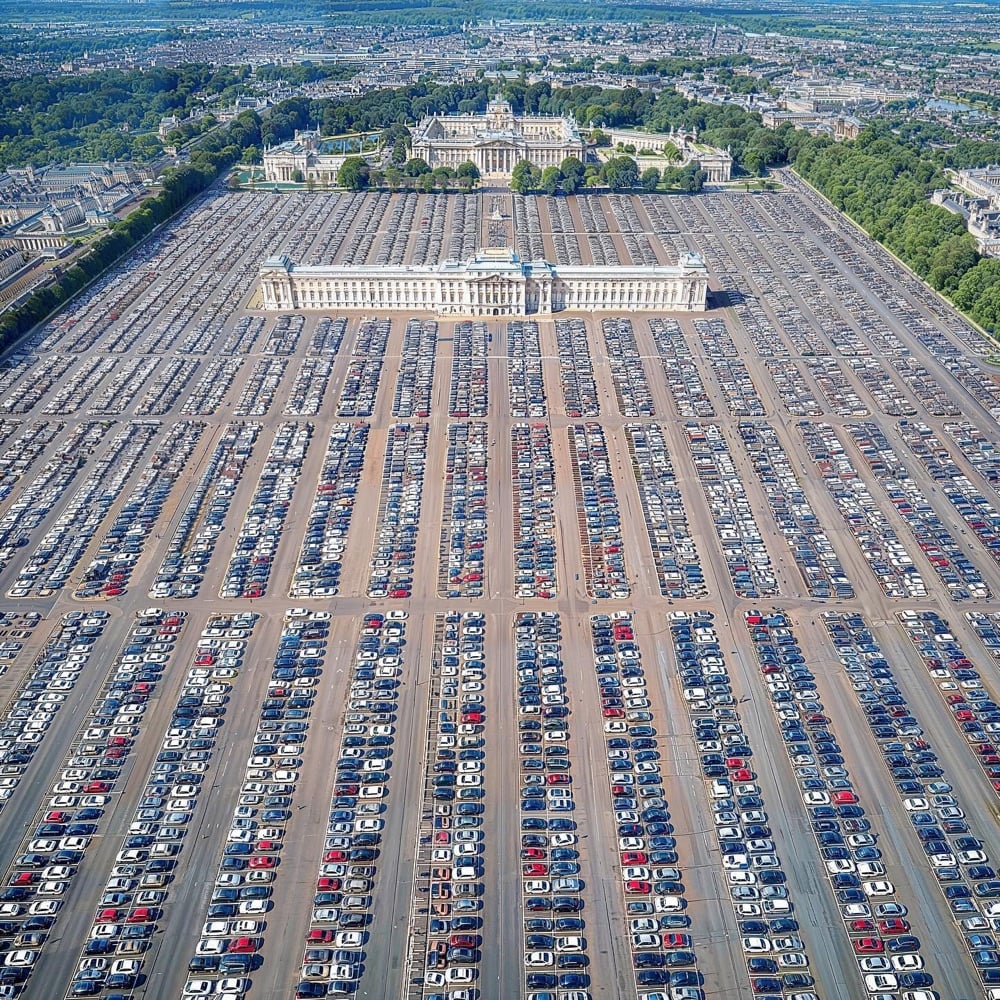
Amidst a political landscape where the ‘war on motorists’ is wielded as a populist tool, this series captures a future where this rhetoric has prevailed. The transformation of UK landmarks like Stonehenge into vast vehicular realms underscores the absurdity and danger of prioritizing short-term political gains over sustainable urban planning. These images mirror the contentious debates in the UK, challenging the narrative that prioritizes car ownership at the expense of public health and environmental sustainability.
Of course, in an America engineered by Robert Moses and his acolytes, many of those images don’t even look that far-fetched.
Ok, if you haven’t seen this before (or even if you have), I need to warn you that Emoji Kitchen is just a little bit addictive. They’re mashup apps for making new emoji like these:
Curiously, the eggplant seems to be missing from both kitchens… 🤔
Sadly, the site you link to about emoji kitchen (.dev) is not mine. This developer has taken my artwork without permission 😐 and worse, hosts a repo so others can steal it too
One of the many reasons that Ferris Bueller’s Day Off works so well as a film is that the music kicks ass *and* it meshes so well with the action. In the heyday of MTV, this was no accident — parts of the movie function almost as elaborate music videos. No scene illustrates this more than when Ferris is hurrying across backyards and through homes to beat his parents & sister back to the house. As good as that scene is, I think Todd Vaziri improved it by re-cutting it to music from Inception. So good!
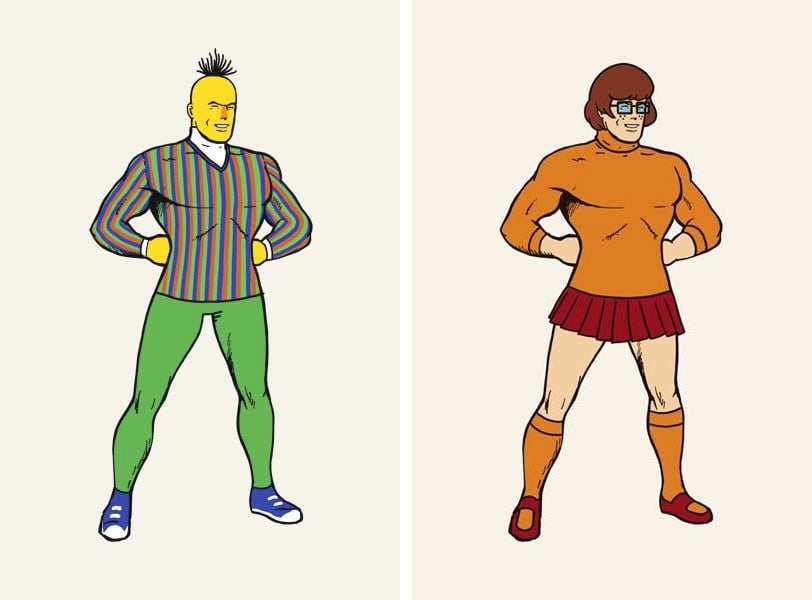
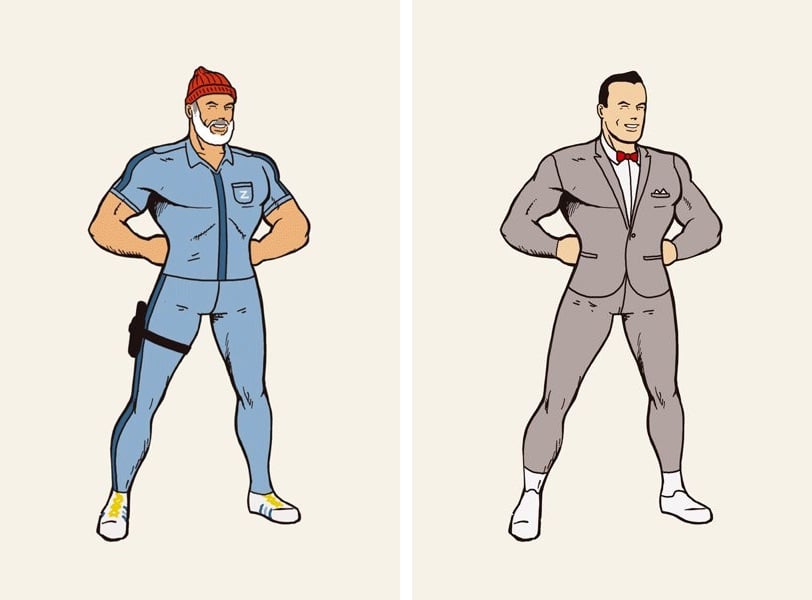
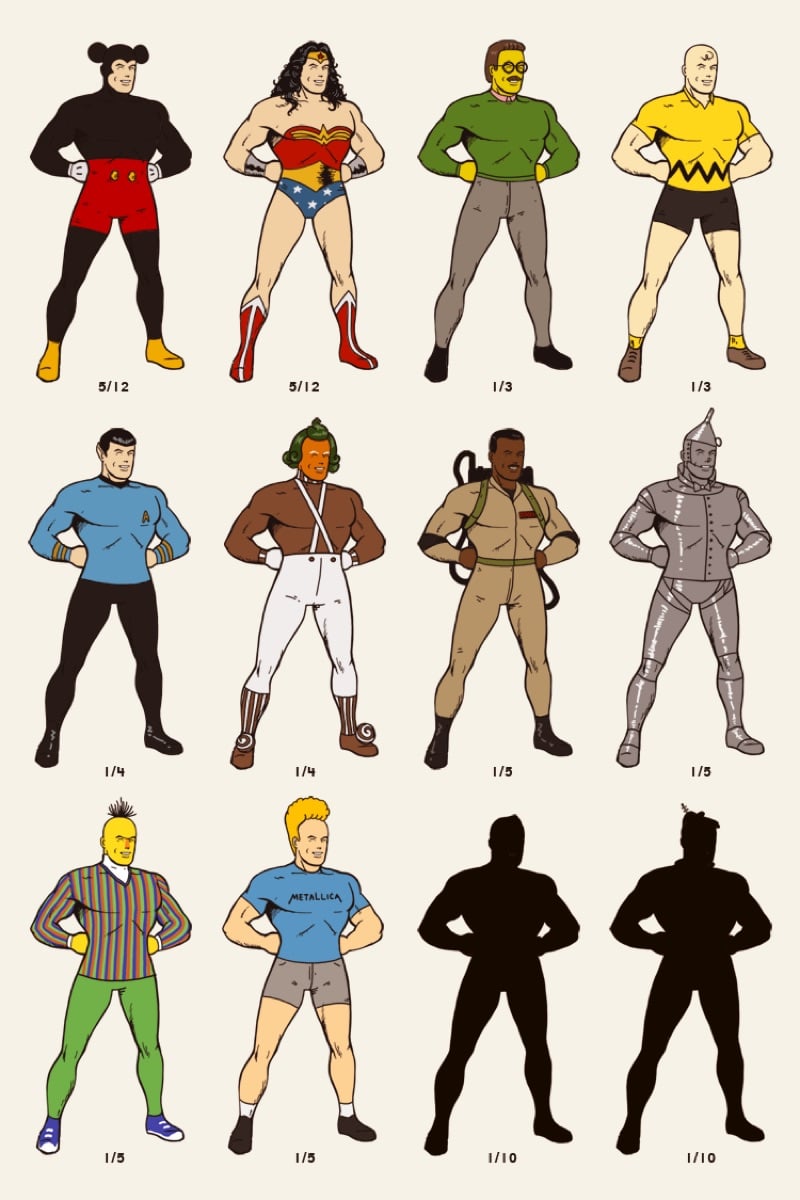
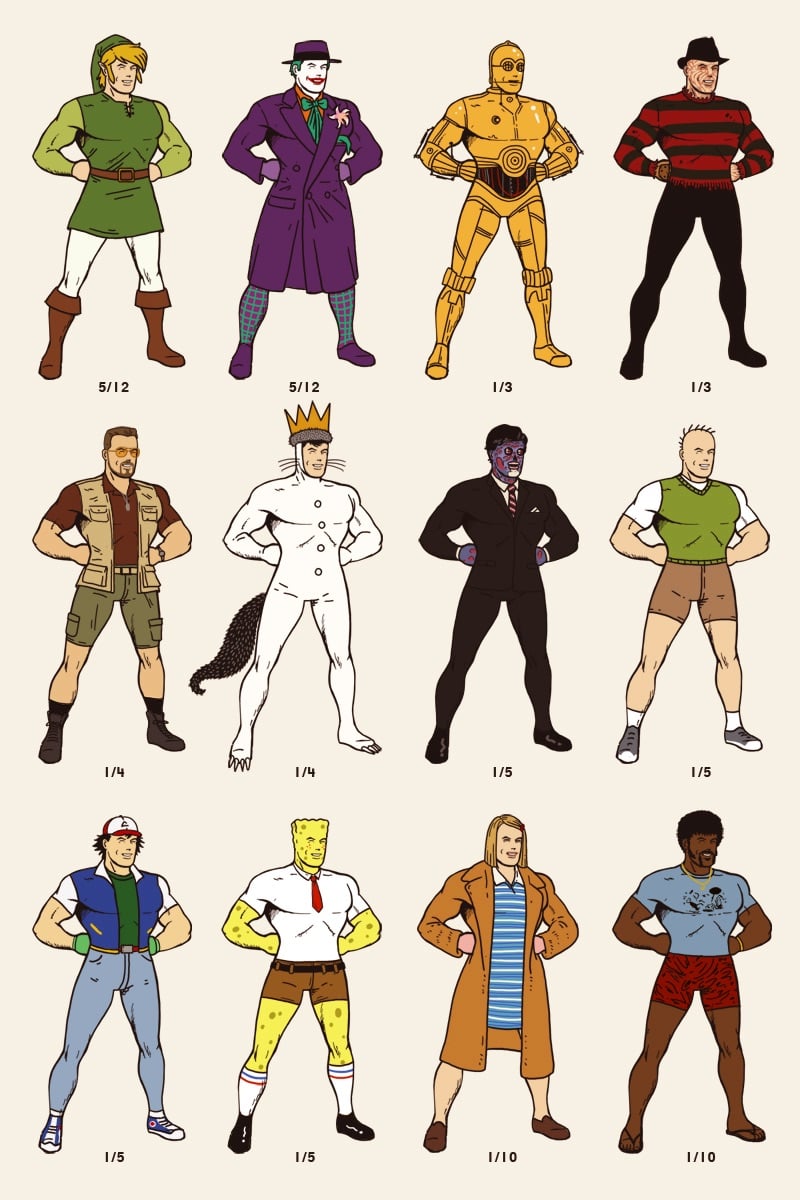
Using an iconic Superman pose, artist Mike Mitchell has translated all sorts of familiar characters onto that pose, including C-3PO, Velma from Scooby Doo, Charlie Brown, Ned Flanders, Pee-wee Herman, Bert from Sesame Street, Steve Zissou, and Spongebob Squarepants. Here’s an animation of all them. (via moss & fog)
I had no idea this existed: back in 2015, rapper Warren G and saxophonist Kenny G came together to perform Warren G’s Regulate. Now, I’m not sure the smooth jazz saxophone improves the song at all, but I love that some mad genius was like, we need to get the two Gs together and then made it happen.
I listened to Ministry of Sound’s The Annual - Millennium Edition on heavy repeat in my mid 20s. What a treat it is to rediscover it on Soundcloud:
It’s an unofficial upload so who knows how long it will last. The three song mix by Judge Jules at the beginning of the first disc is still one of my all-time favorite mixes — I’m dancing in my chair to it right now.
The Ministry of Sound did a show back in September at the Royal Albert Hall where they re-imagined classic 90s dance music (Fatboy Slim, Chemical Brothers, etc.) backed by a 50-piece orchestra and vocalists. I found out about this via organist Anna Lapwood’s Instagram, where she posted a clip of her participation in the show: playing Bach’s Toccata and Fugue in D minor as a lead-in to Insomnia by Faithless. I enjoyed the captions but the sound on her video is not great; I found this video on YouTube with much better sound (relevant part starts at the 4:15 mark):
I would love to have seen this live…I’d have lost my mind at this part. Sometimes I think I love remixes, mashups, and covers more than the original versions.
Lego master Jumpei Mitsui spent over 400 hours building a 3D version of Hokusai’s Great Wave off Kanagawa out of 50,000 Lego bricks — you can watch a time lapse of the construction in the video above. The build was included at an exhibition of Hokusai’s work at the MFA in Boston:
In order to create Hokusai’s Wave in three dimensions, he made a detailed study of rogue waves and their characteristics. He also drew on childhood memories of waves near his family home at Akashi on the Inland Sea.
The video slows down to realtime in spots, so you can see how fast he’s actually building (quite fast). And you can also see the level of trial and error involved as he builds and then un-builds the waves until he’s happy with them. (via the kid should see this)
Over 130 animators, actors, filmmakers, and even puppeteers joined forces to remake a 1994 episode of the TV show Frasier called My Coffee With Niles. The episode was split into 185 sections, each 6-12 seconds long, and a different animator or filmmaker took charge of each section. Love this…just an incredible array of styles on display here.
There I Ruined It is fast becoming one of my favorite web delights — musician Dustin Ballard remixes and mashes beloved songs in an attempt to ruin them. The video embedded above features Eminem’s Lose Yourself sung to the tune of the Super Mario Bros theme song…and it makes me laugh every time I watch it.
P.S. My idea for a song to ruin: the Happy Days theme song, but it just keeps repeating the days of the week (“Sunday Monday happy days / Tuesday Wednesday happy days…”) in a loop, using the Shepard tone to (seemingly) keep the pitch ever-rising.
On their current US tour commemorating the 20th anniversaries of their two seminal albums (Give Up and Transatlanticism), The Postal Service and Death Cab For Cutie have been coming together to perform an encore rendition of Depeche Mode’s Enjoy the Silence. The video above is their version of it from last weekend’s show in New Haven, which I attended and very much enjoyed, but there are several other versions to choose from on YouTube: Boston, Wash DC, Portland, Rhode Island, etc.
This is pretty clever actually: Disney+ and ESPN+ will air a real-time, Toy Story-ified version of the Oct 1st Jacksonville Jaguars and Atlanta Falcons NFL game. From Deadline:
Using the NFL’s Next Gen Stats and on-field tracking data, every player and play will be presented in “Andy’s Room,” the familiar, brightly colored setting for the Toy Story franchise. The action will be virtually simultaneous with the main game telecast, with most plays recreated after an expected delay in the neighborhood of about 30 seconds. Woody, Buzz Lightyear and many other characters will be visible throughout, and a press release notes they will be “participating from the sidelines and in other non-gameplay elements.” Along with game action, the announcers, graphics, scoreboard, referees’ penalty announcements, celebrations and other parts of the experience will all be rendered in a Toy Story-centric fashion.
I stopped watching the NFL years ago, but I might tune in to see how this works.
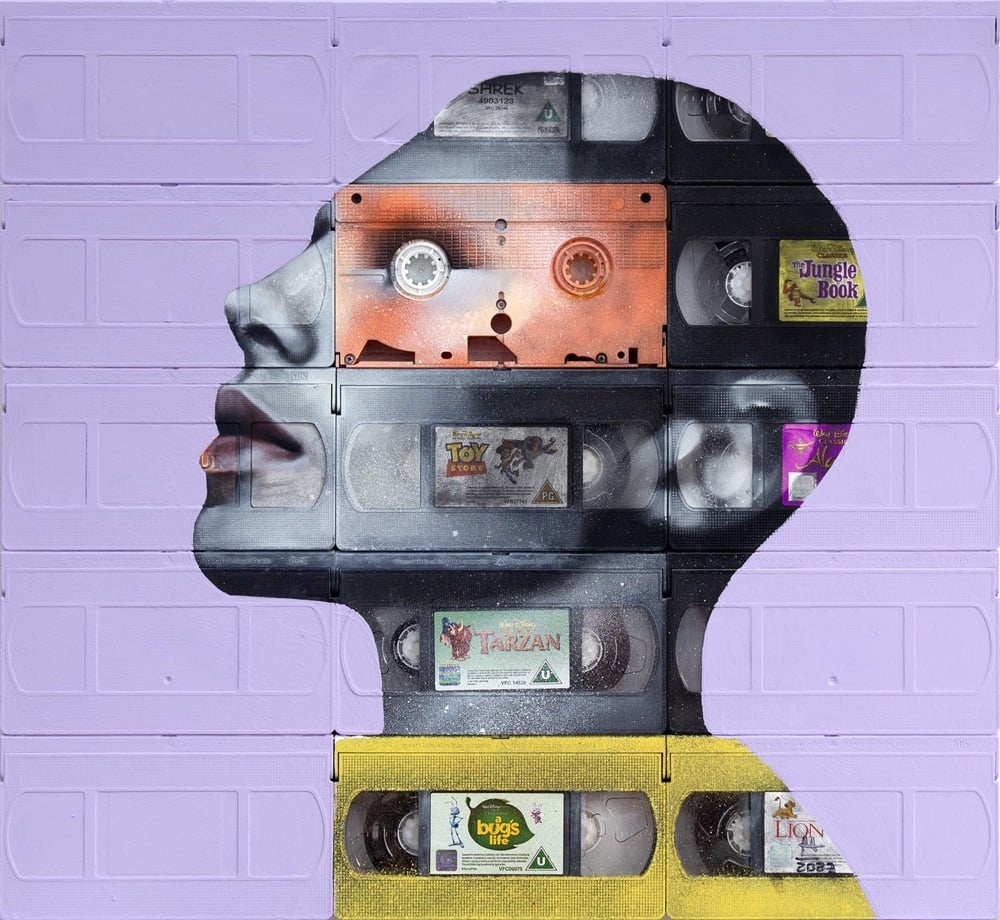
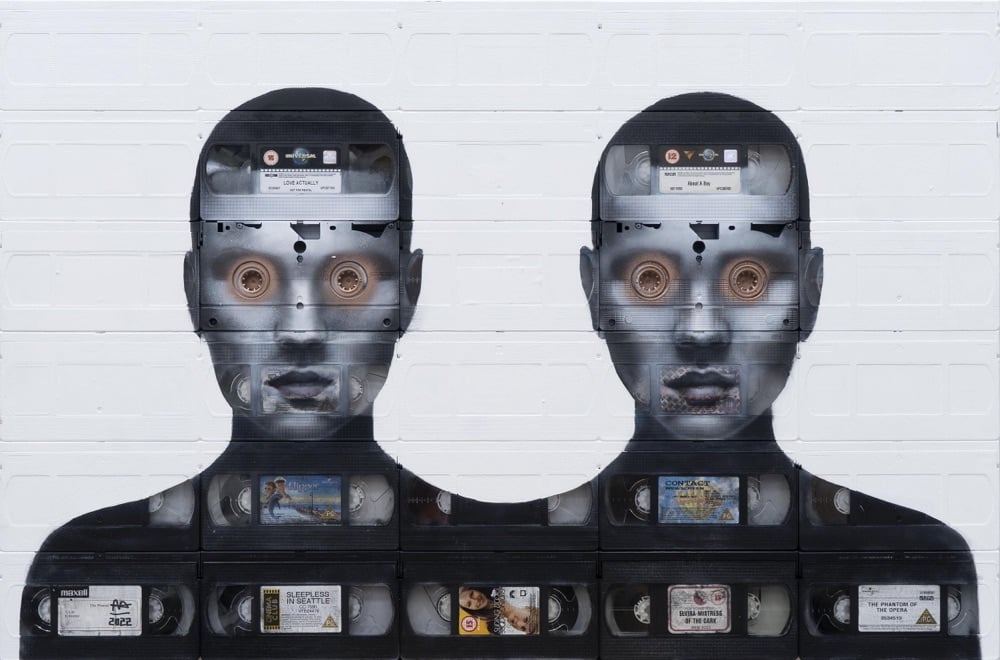
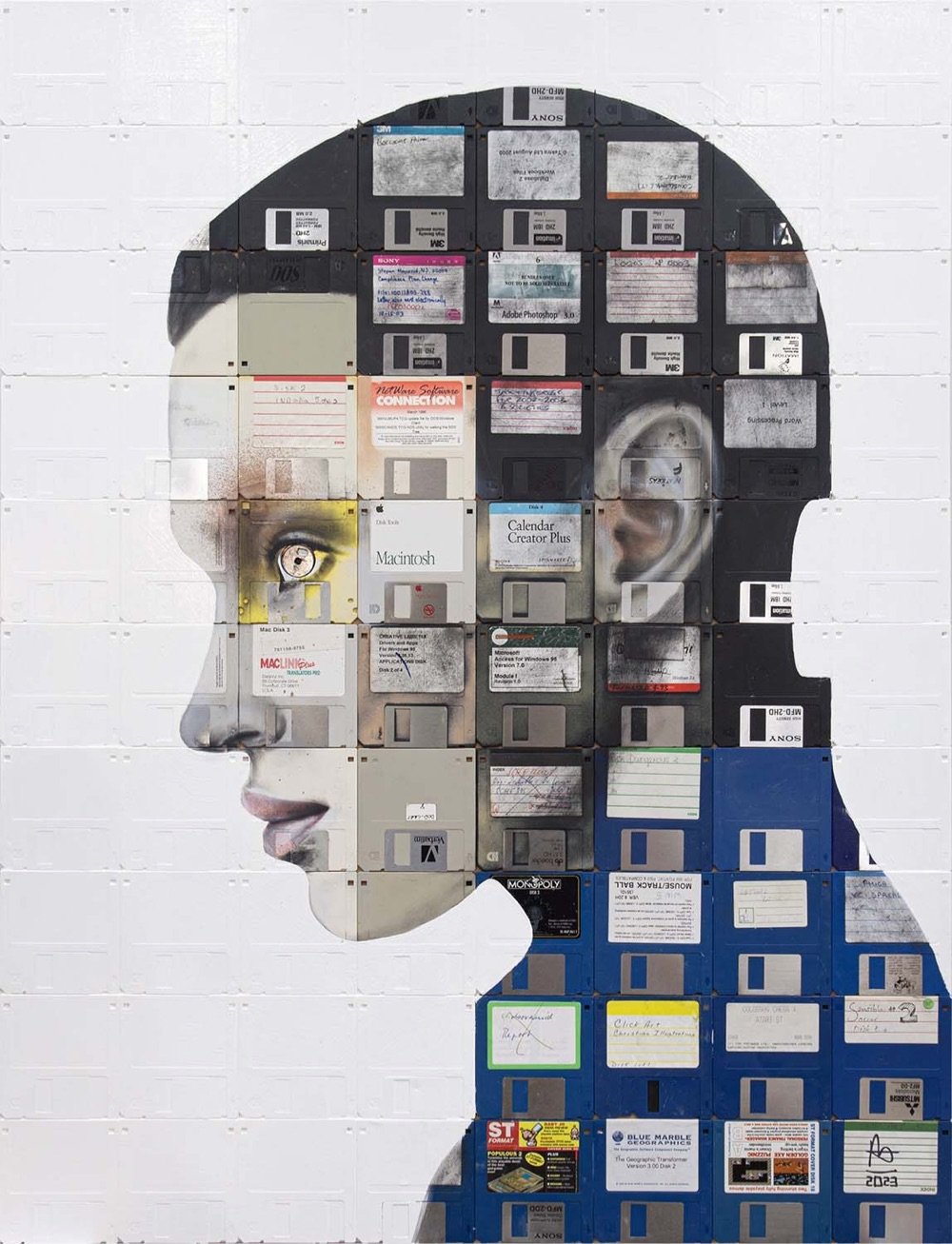
London artist Nick Gentry takes old recording media (VHS tapes, cassette tapes, floppy disks) and turns them into portraits (Instagram). Gentry gets his materials from members of the public:
Made from floppy disks contributed by members of the public. As a social art project, the process is open to everyone. Find out how to recycle and include your obsolete materials in future artworks by getting in touch.
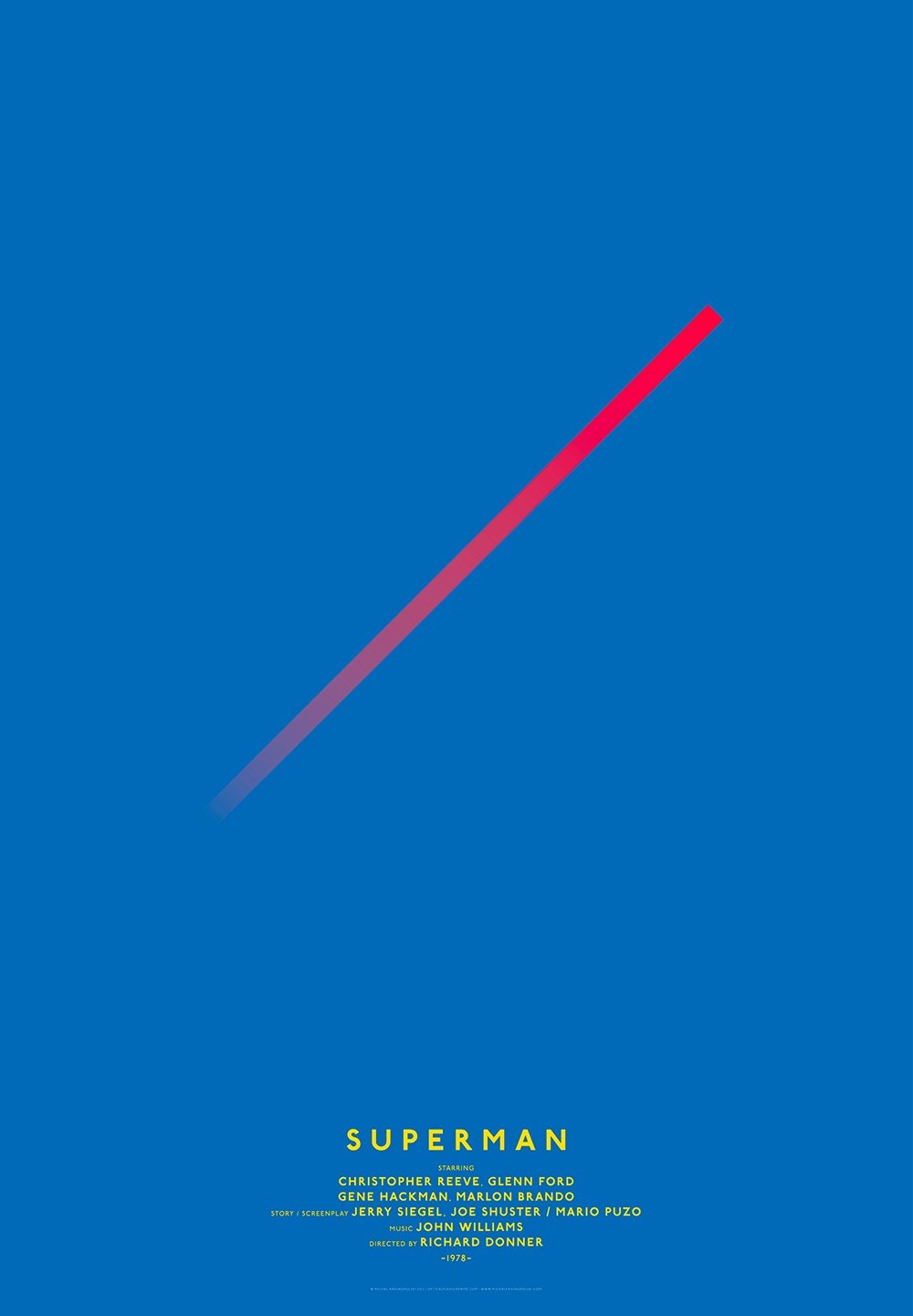
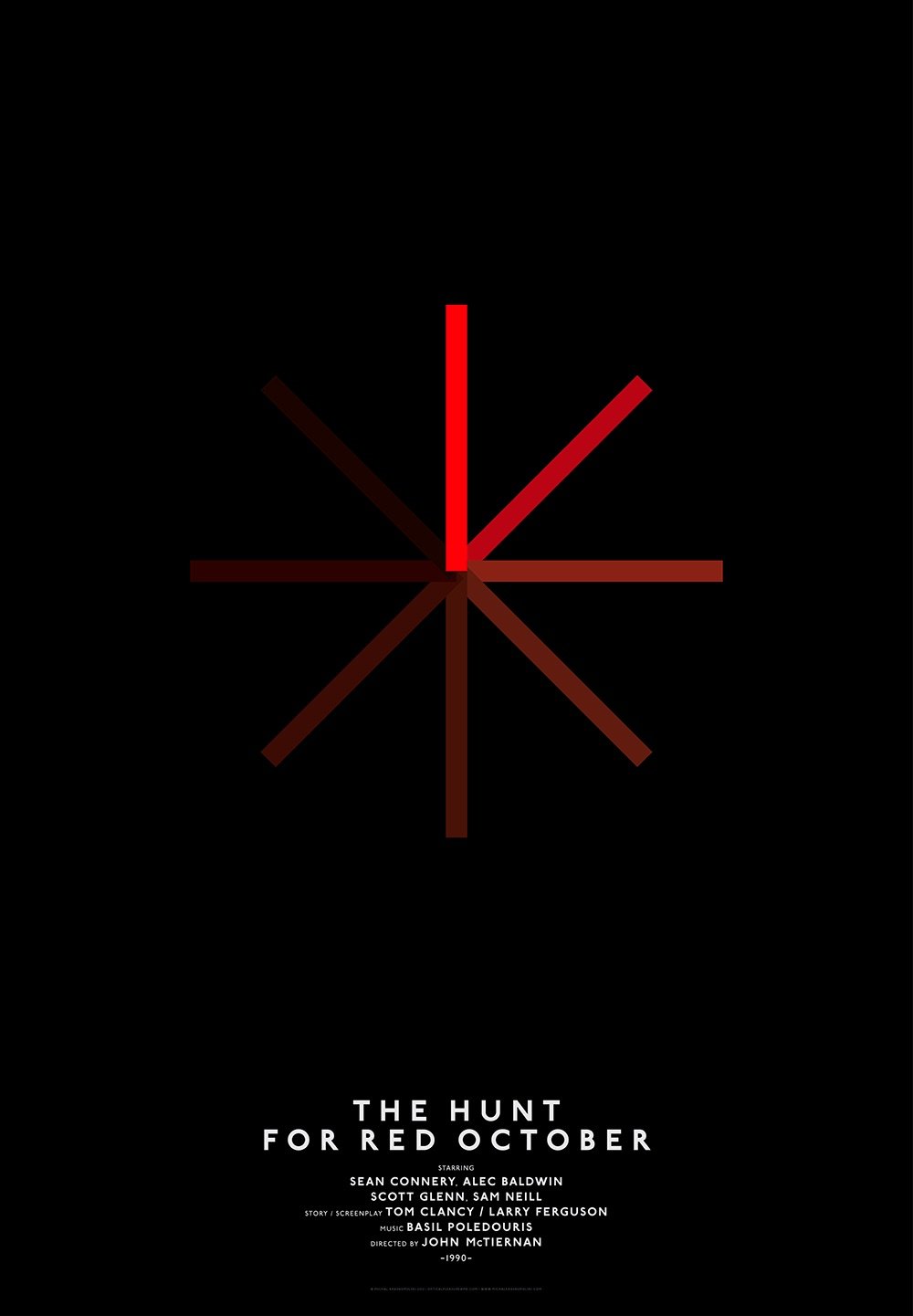
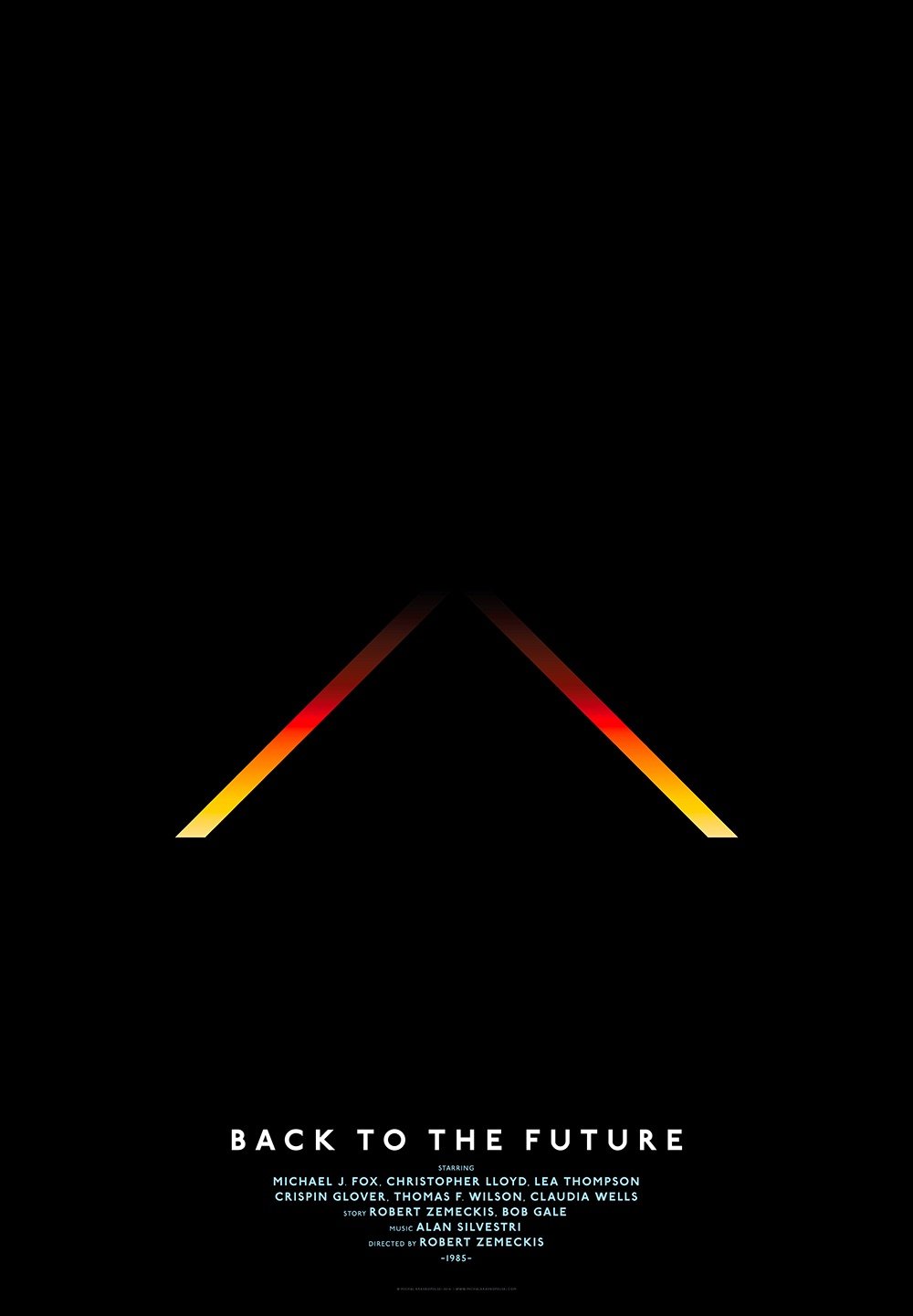
There’s minimalism and then there’s these classic movie posters from Michal Krasnopolski. Each poster is based on a simple grid of a circle, a square, and four intersecting lines. It would be a challenge to come up with a poster for every movie in this style, but the ones he picked work really well. (via moss & fog)
This started off a little slow for me but once it hit the early-to-mid 80s, I was hooked — and bobbing my head uncontrollably throughout. The visualizations really help you see how the various samples were modified, repeated, and layered to achieve the desired sounds — geniuses at work. Man, watching stuff like this makes me want to learn how to do this. (via waxy
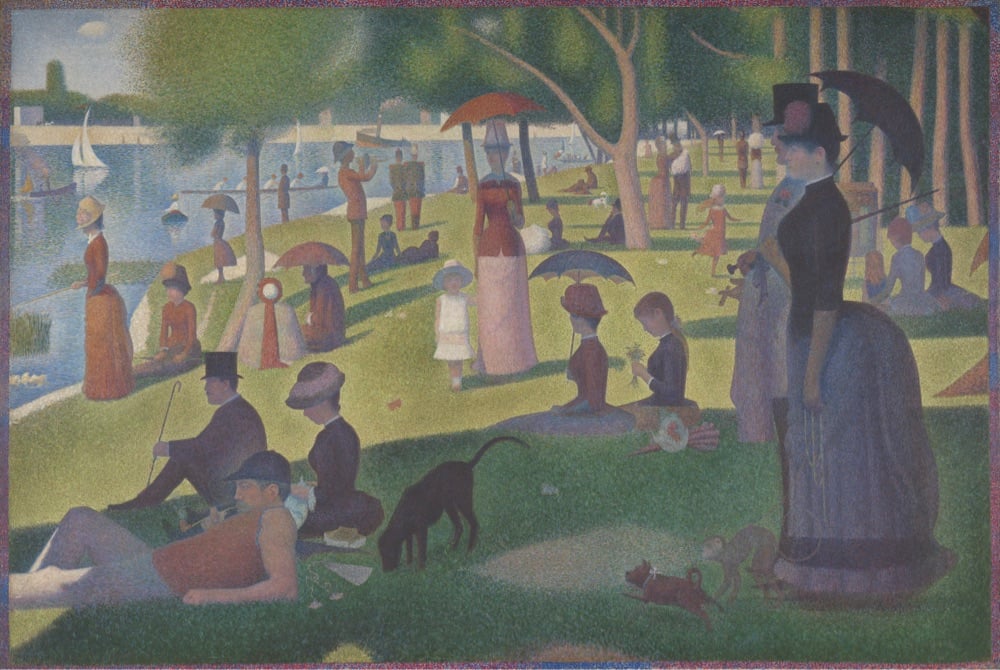
In 2006, photographer Mark Preuschl recreated Georges Seurat’s famous impressionist painting A Sunday on La Grande Jatte in Beloit, WI with a group of volunteers. Here’s the original for reference:
In conceiving this tableau vivant, the organizers wanted to keep things modern. Thus, all participants are wearing contemporary clothes with umbrellas substituted in for the 19th-century parasols. Though the team was organized, they weren’t quite prepared for what mother nature threw their way the day of the shoot. Preuschl recalls winds of 20 to 25 mph coming off the river, as well as clouds that didn’t allow for the shadows they were so desperately looking for. Luckily, there was a window of about 25 minutes when the sun came out and cast those shadows.
He really couldn’t have scouted that location any better…it matches the original pretty well. Who knew you could find Belle Époque Paris in southern Wisconsin?
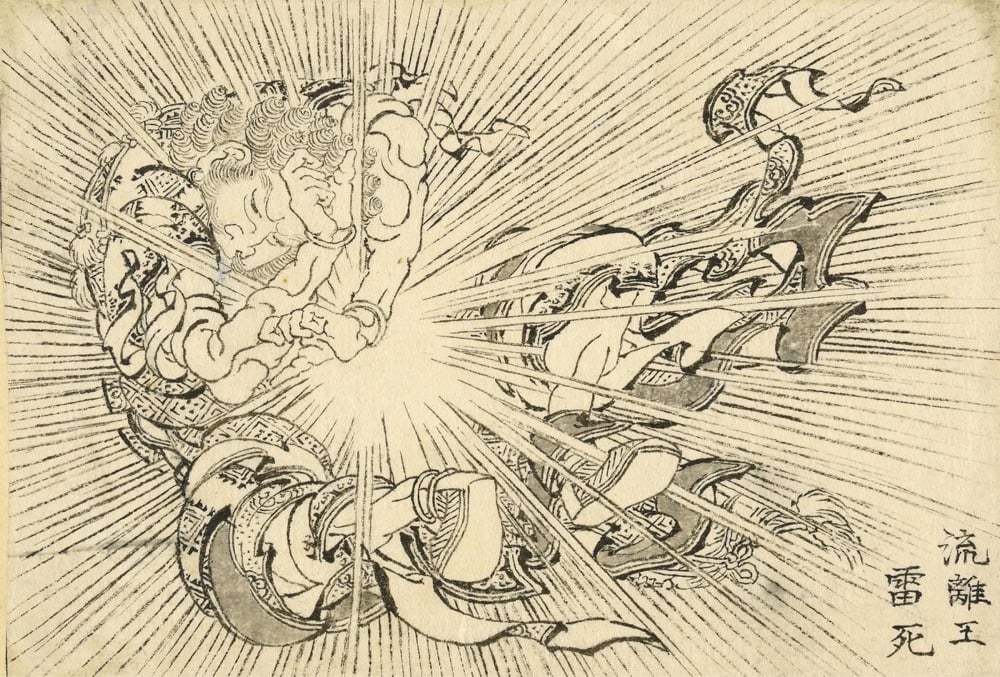
This is pretty cool: in collaboration with the British Museum, a team led by woodblock printmaker David Bull (who I first wrote about back in 20051) is carving woodblocks and creating prints from a series of previously unpublished drawings by legendary Japanese artist Katsushika Hokusai.
The Museum has in their possession a group of drawings by Hokusai that were apparently intended for use in the production of a series of books. For reasons unknown to us now that project was cancelled, but the drawings survived, and we have selected 12 of them for a new subscription series.
For more details of the collection of images, please refer to this page of the British Museum website. But here, we can simply note that the drawings fall into a number of categories, and our set will reflect that diversity. Hokusai’s series was intended to take his readers through aspects of Japanese historical culture, and we will meet Buddhist deities, warriors from ancient China, and historical landscapes, along with more prosaic scenes of the natural world.
The print shown above was the first one to be sent out in January. But look at this original drawing from the collection:
Wow. That is shockingly modern — like a 60s superhero comic or a still from 60s anime. I hope they reprint this one!
Here’s a video from the British Museum of Bull talking about the project:
If you make woodblock prints for a living, you know the name Hokusai, and if you’re a woodblock carver and you hear about original drawings from Hokusai that have never been carved into prints you would most likely do a little happy dance.
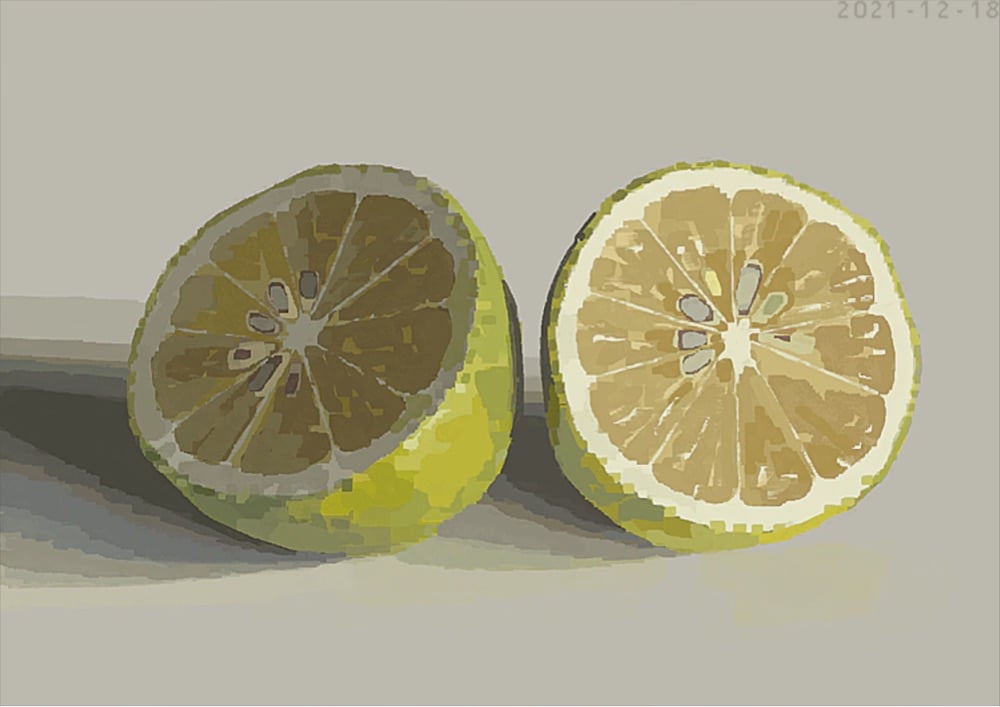
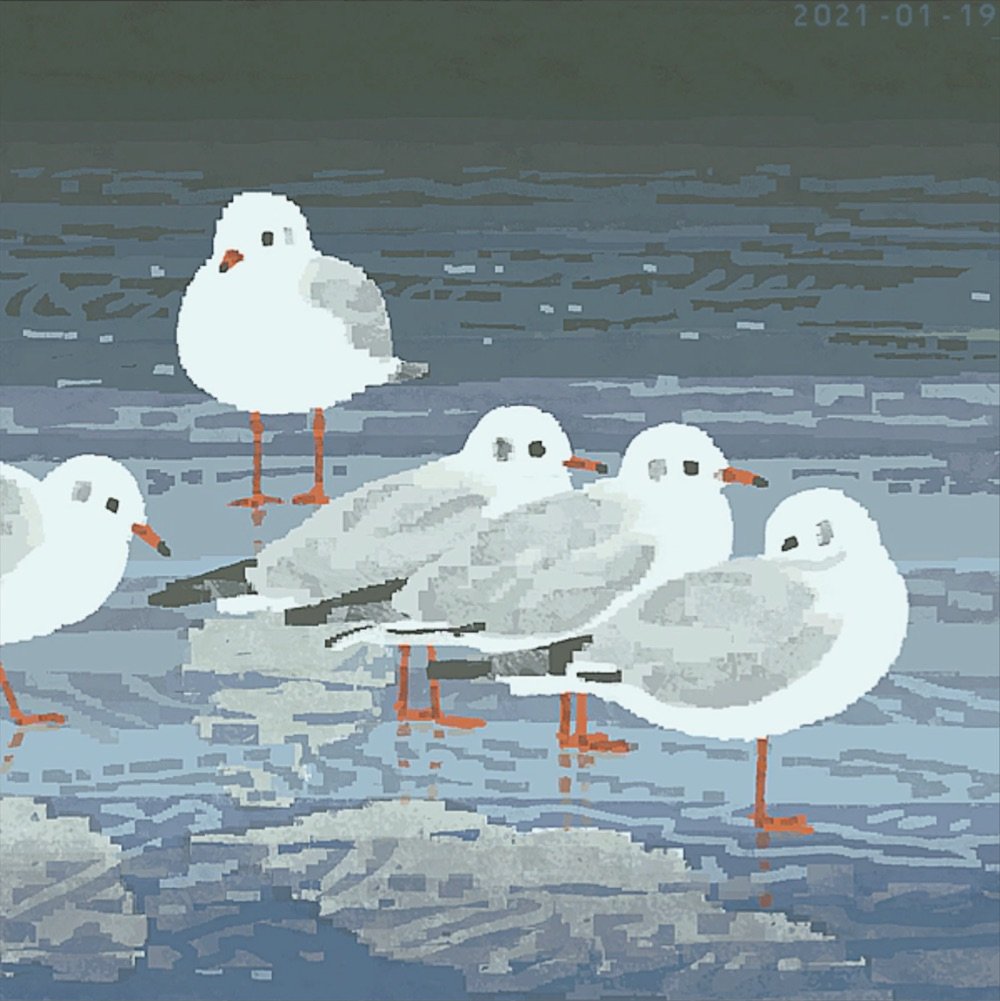
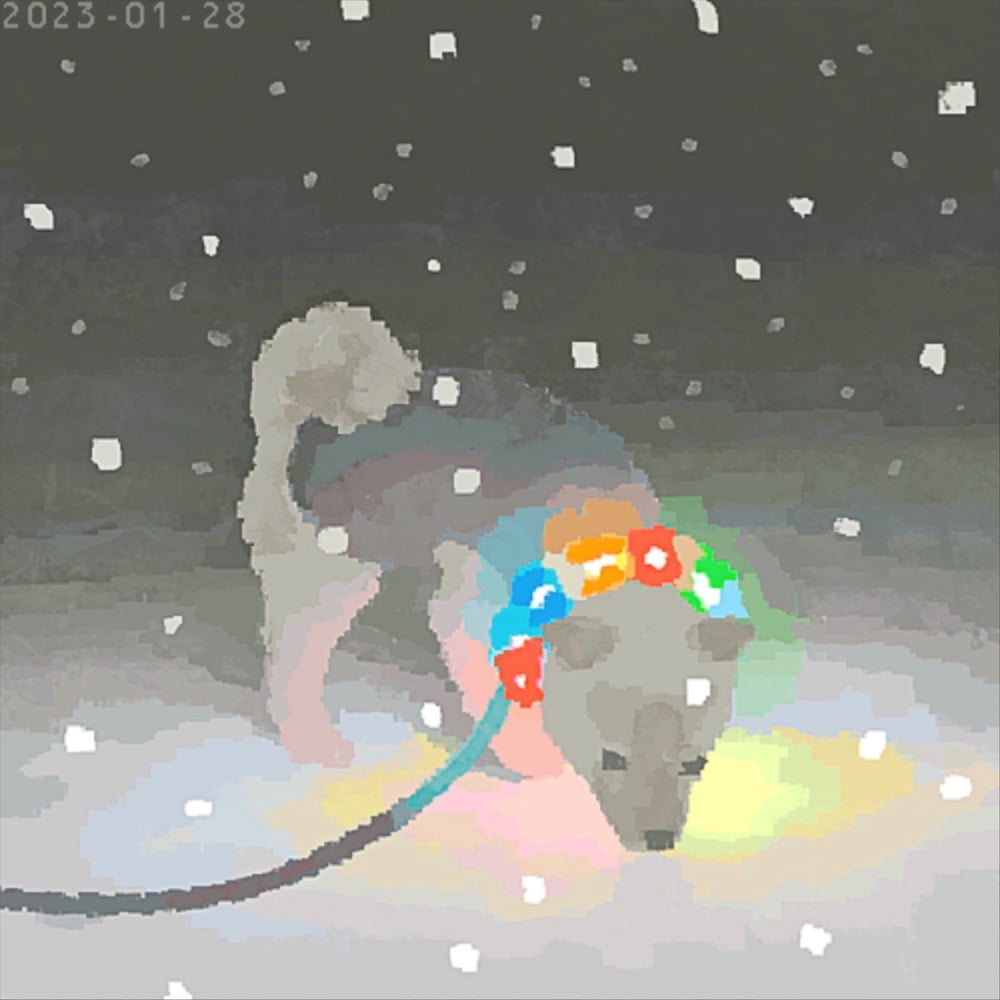
I’m taken with the style of Jun Kumaori’s illustrations — they look like drawings of (stay with me here) small JPEGs converted to GIFs and then clumsily enlarged, complete with all of the resultant digital artifacts. This makes me nostalgic for the late 90s web and Photoshop 3.0. (via the fox is black)







Stay Connected